Inga Kutepova, PhD
R&D Life Sciences Principal Scientist
Featured Publication:
Whole grain intake remains unchanged in the UK, 2008/2012–2016/2019

What are the main takeaways from your research?
In our study, we investigated trends and socio-demographic patterns of whole grain (WG) consumption from the National Diet and Nutrition Survey (NDNS) from 2008/2012 to 2016/2019 and examined the relationship between WG and dietary intakes. Total WG intake in the general population did not change. WG from high-fiber cereals and bread declined by 16.2 % (11.1–9.3 g/d) and 19.4 % (12.4–10 g/d), respectively, while other cereals (e.g. rice/pasta) increased by 72.5 % (4.0–6.9 g/d), but contributed considerably less than other categories. UK whole grain intakes remain below the levels recommended by many other countries.
What is the current state of the science on this topic?
Whole grains retain bran, endosperm and germ, providing fiber, vitamins, minerals, lignans and phytochemicals. Compared to refined grains, they are more nutrient-dense. WG intake is linked to lower risk of mortality, type 2 diabetes, CVD, cancer, and obesity. Effects persist beyond fiber, suggesting roles for phytochemicals and micronutrients. In the UK, >70% failed to meet WG intake recommendations (2008–2011 NDNS); ~20% consumed none. The Eatwell Guide advises choosing WG options without a quantitative target.
Why are you interested in studying whole grains?
Whole grains are an important part of a balanced diet, yet intake in the UK continues to fall short of recommendations. I’m interested in studying whole grains to better understand consumer behaviors and identify science-based opportunities to improve dietary patterns, supporting PepsiCo’s Positive Choices ambition to improve the nutritional profile of our foods and drinks and to help our consumers make informed choices.
What is something surprising or exciting you found in your research?
Whole grain intake in the UK remained consistently low across survey years, despite growing public health interest and increased availability of whole grain products. We observed a shift in contributing food categories, with bread and breakfast cereals remaining the primary source, but increasing contributions from other foods. This shift suggests that while product offerings have diversified, it was not enough to be translated into higher overall WG intake.
Where would you like to see the research go next?
The 2019–2023 NDNS data was recently published, offering an opportunity to examine more recent trends in whole grain intake. It would be valuable to investigate whether shifts in food environments have influenced consumption patterns.
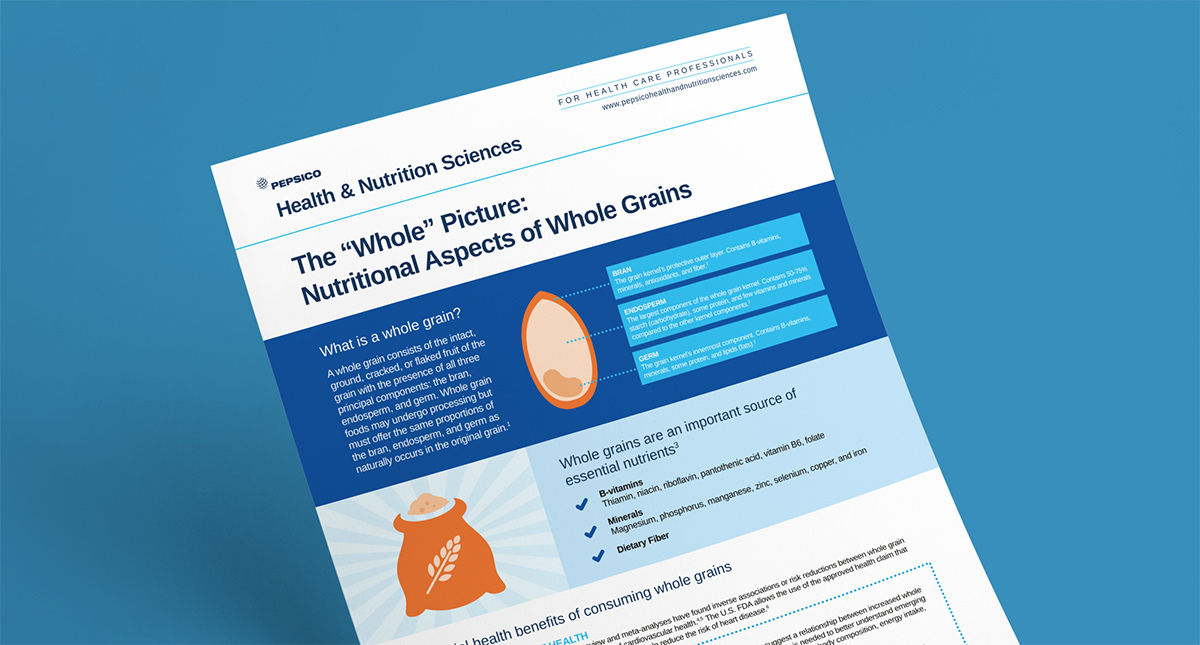
The "Whole" Picture: Nutritional Aspects of Whole Grains
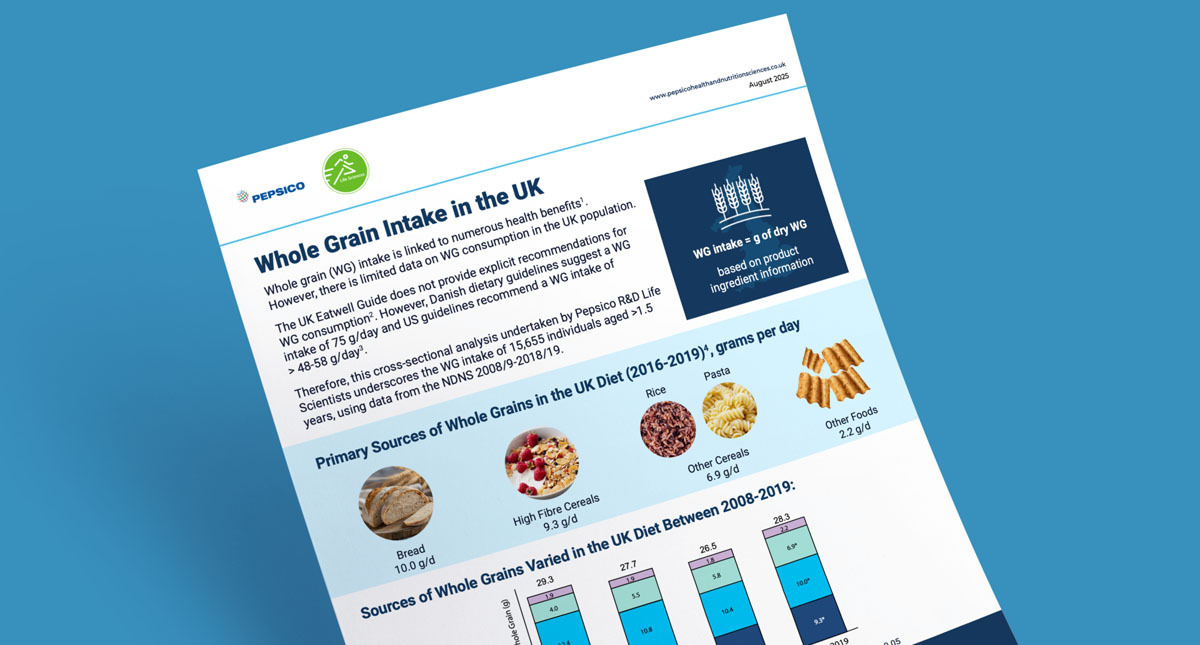
Whole Grain Intake in the UK